
Campervan and motorhome types: a practical guide 2026
 Spaziou
First the format. Then the model.
Microcampers, compact campers, large panel van conversions and motorhomes meet different needs. Use this guide to understand the formats, then make a specific choice based on use, budget and vehicle.
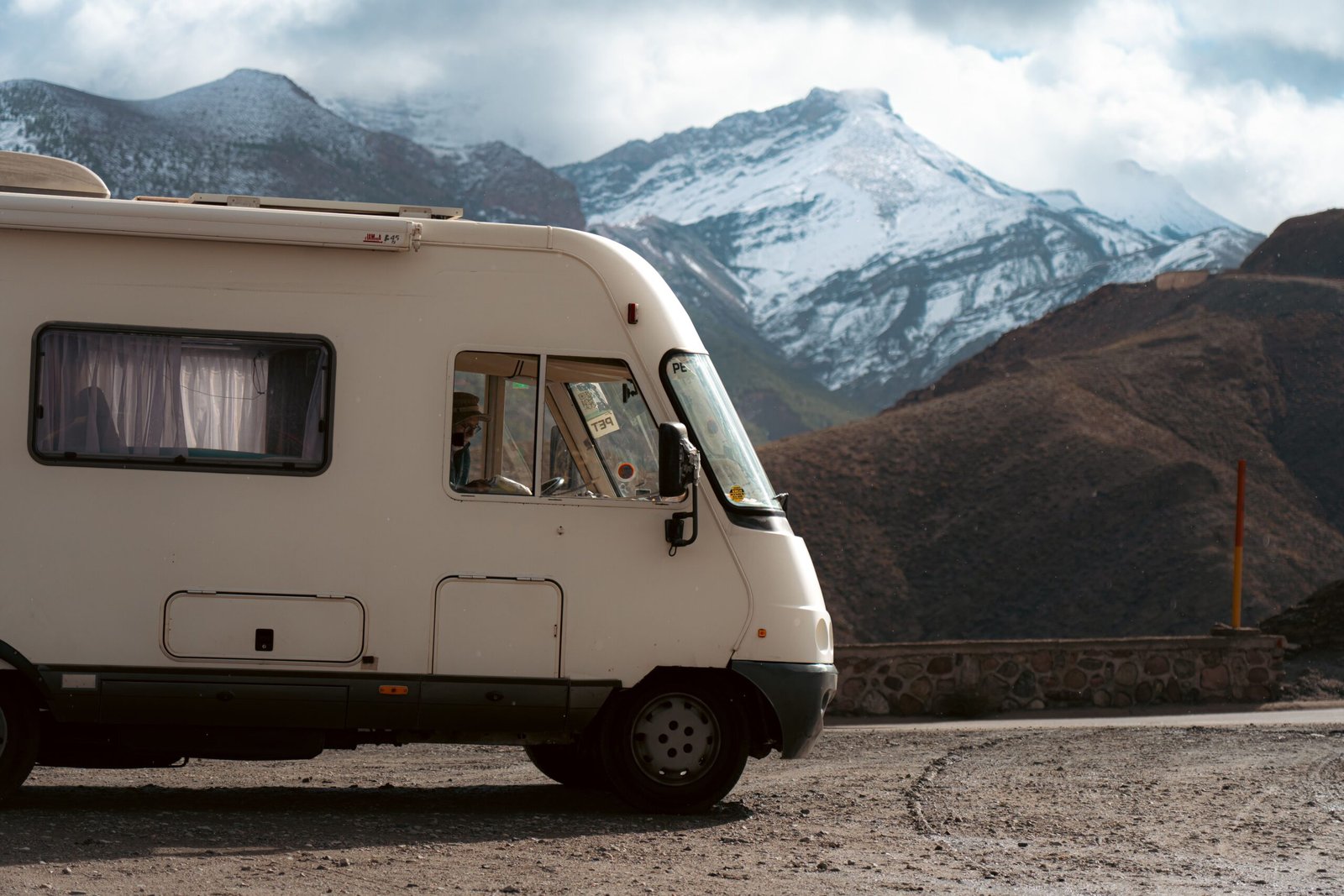
Campervan and motorhome types: how the formats differ
This guide explains vehicle types and their characteristics. To turn those differences into a buying decision, see which campervan suits your use, space and budget. You can then explore the equipment by model.
Choosing a campervan or motorhome is about more than which vehicle you like best. Size, layout, self-sufficiency, seating and sleeping capacity, usable space and even your destinations can completely change which type makes most sense.
A compact campervan can be ideal for a couple wanting easy movement through cities and minor roads. A large panel van conversion may be more suitable for weeks of travelling when you need more room to sleep, cook and store luggage.
There are also low-profile, overcab and A-class motorhomes, as well as microcampers and various van conversion options.
Before looking for a specific brand or model, understand the differences between the main campervan and motorhome types.
In this guide from Spaziou we explore the main options, their advantages and drawbacks, and above all which kind of traveller each suits best.
What is the difference between a campervan and a motorhome?
Although the terms are often used interchangeably, there are important differences.
A campervan usually starts as a van adapted for living and travelling. It may be a simple conversion, a complete build or a vehicle supplied by a specialist manufacturer.
A motorhome, by contrast, usually uses a commercial vehicle chassis with a purpose-built living body.
The most obvious difference is usually how the cab and living space are integrated, although many intermediate configurations now exist.
A campervan does not have to be large, either.
Options range from small vans with a bed and a few basic modules to large vehicles with a full bathroom, kitchen, shower, heating, water tanks, solar panels and electrical systems providing several days of autonomy.
Think of them as different ways to travel, rather than rigid categories.
1. Microcamper
The microcamper is probably one of the simplest ways to start campervan travel.
These are small vehicles, usually based on cars, MPVs or compact vans, adapted for sleeping and carrying the equipment needed for a short trip.
In some cases, a conversion can be as simple as a removable bed platform and storage modules.
Who is a microcamper for?
Especially suitable for:
- Couples.
- Travellers taking weekend breaks.
- People who also use the vehicle as their everyday car.
- Those who prioritise easy parking.
- Travellers who do not need a bathroom or large indoor kitchen.
Its main advantage is not having to use a large vehicle all year round.
You can travel in it and, depending on the model, keep using it as an everyday vehicle.
Advantages
- Small size.
- Easy to drive.
- Easy to park.
- Lower fuel consumption than large vehicles.
- Can double as an everyday vehicle.
- Relatively low initial cost.
Drawbacks
- Limited interior space.
- Less storage capacity.
- Usually no bathroom.
- Indoor living can feel restricted in bad weather.
- Less self-sufficient than a large campervan.
When should you choose one?
If you want to start campervan travel without moving up to a large vehicle, a microcamper can be a very practical option.
2. Compact campervan
The compact campervan sits between the two.
These smaller vans provide a proper sleeping area and, depending on the layout, a kitchen, storage, heating and other features.
Especially popular with couples wanting to combine mobility and comfort.
A compact campervan can reach many places that are more difficult for a large motorhome.
Main advantages
- Good balance of space and mobility.
- Easy handling.
- Good road handling.
- Relatively easy to park.
- Moderate consumption.
- More conversion possibilities than a microcamper.
Its main drawback?
Space.
Every centimetre counts.
That makes interior organisation especially important.
In a small campervan, good storage can make the difference between a comfortable interior and loose items everywhere.
3. Large panel van conversion
The large panel van conversions are larger vans converted into fully equipped living vehicles.
They usually use base vehicles such as:
- Fiat Ducato.
- Citroën Jumper.
- Peugeot Boxer.
- Mercedes-Benz Sprinter.
- Ford Transit.
- Renault Master.
Depending on their length and height, they can offer considerable living space.
Layouts now include:
- Fixed bed.
- Kitchen.
- Fridge.
- Cupboards.
- Toilet.
- Shower in some configurations.
- Water tanks.
- Heating.
- Leisure electrical installation.
- Solar panels.
- Leisure batteries.
Who is it for?
A large panel van conversion suits those wanting a relatively manageable vehicle with a real sense of living space.
A very popular choice for couples on longer trips.
Advantages
- Much more space than a compact campervan.
- Generous storage capacity.
- Fixed bed possible.
- Greater self-sufficiency.
- Good use of vertical space.
- Many equipment options.
Drawbacks
- Harder to park.
- Higher fuel consumption.
- Greater height.
- Some access restrictions.
- More expensive than a small campervan.
Is it better than a compact campervan?
Not necessarily.
For short breaks and everyday use, it is probably more than you need.
But if you travel for weeks, the extra living space may fully justify the size.
4. Overcab motorhome
The overcab motorhome is easy to recognise by the living space above the driver’s cab.
This area is usually used as a bed.
One of its main advantages is the number of sleeping berths without sacrificing as much living space.
This has traditionally made it a favourite layout for families.
Ideal for families
An overcab motorhome can offer:
- Several beds.
- Spacious dining area.
- Kitchen.
- Bathroom.
- Cupboards.
- Generous storage capacity.
It is a real home on wheels.
Advantages
- Many sleeping berths.
- Excellent use of space.
- Particularly suitable for families.
- Generous storage capacity.
Drawbacks
- Greater height.
- Greater aerodynamic drag.
- Higher consumption.
- More sensitive to crosswinds.
- Less practical for some urban journeys.
If you travel with children and need several beds, an overcab motorhome remains hard to beat for space efficiency.
5. Low-profile motorhome
The low-profile motorhome removes the large overcab bed and uses a more aerodynamic body.
The area above the cab is often used for storage or to create a smoother transition to the living area.
A very popular configuration for couples and small families.
What does it offer?
- Fixed or convertible bed.
- Kitchen.
- Dining area.
- Bathroom.
- Cupboards.
- Fridge.
- Relatively generous living space.
Advantages
- Better aerodynamics than an overcab motorhome.
- Good balance of space and vehicle size.
- Comfortable living space.
- Excellent option for couples.
- Wide choice of layouts.
Drawbacks
- Fewer sleeping berths than some overcab motorhomes.
- It is still a large vehicle.
- Can be excessive for urban trips.
For many people, a low-profile motorhome offers a strong compromise between comfort and ease of use.
6. A-class motorhome
The A-class motorhome offers one of the highest levels of integration.
In this type of vehicle, the living body also incorporates the driver’s area.
The interior feels much more like a home.
The windscreen is usually much larger and the cab is integrated into the living body.
Who is it suitable for?
Mainly for those looking for:
- Maximum comfort.
- Lots of space.
- Long trips.
- Large living areas.
- Comprehensive equipment.
- A home-like feel.
Advantages
- Spacious interior.
- Excellent integration.
- Plenty of natural light.
- Comprehensive layouts.
- High level of comfort.
Drawbacks
- High purchase price.
- Substantial dimensions.
- More complex maintenance.
- Less practical for urban driving.
- Higher running costs.
It is not usually the most logical choice for someone just starting to explore campervan travel.
7. Factory-built campervan
This is a concept that has become especially popular.
These vans leave the manufacturer ready for travelling and sleeping.
Well-known examples include campervan ranges from Volkswagen, Mercedes-Benz and Ford, as well as specialist converters building on various platforms.
The main advantage is not having to build a conversion from scratch.
Advantages
- Factory integration.
- Generally well-finished interiors.
- Simpler approval than a privately built conversion.
- Manufacturer’s warranty.
- Well-integrated systems.
Drawbacks
- High purchase price.
- Less freedom to customise.
- Some configurations prioritise design over capacity.
- Optional equipment can significantly increase the final price.
8. Bespoke van conversion
The other side of the coin is bespoke conversion.
You can start with an empty van and design almost the entire interior.
From the bed layout to:
- Kitchen.
- Tanks.
- Electrical installation.
- Battery.
- Solar panels.
- Heating.
- Insulation.
- Storage.
- Lighting.
- Outdoor equipment.
The main advantage
You can design the vehicle precisely around your needs.
If you need plenty of electrical autonomy, you can prioritise power.
If you do sports, you can allocate more space to storage.
If you travel with children, you can design the layout around the seats and berths you need.
The drawback
A bespoke conversion needs planning.
Poor design can lead to problems with space, weight, autonomy or access.
Before installing anything, consider how the vehicle will actually be used.
Which campervan type should you choose?
This is probably the most important question.
There is no universally best campervan. There is the campervan that best fits how you travel.
If you are a couple taking short breaks
A microcamper, compact campervan or large panel van conversion may be enough.
If mobility comes first:
Compact campervan.
If comfort comes first:
Large panel van conversion.
If you travel with children
Space starts to play a much bigger role here.
An overcab motorhome can be particularly useful thanks to its multiple sleeping berths.
Low-profile motorhomes are also available with family layouts.
For longer trips
The following become important:
- Electrical self-sufficiency.
- Water capacity.
- Storage.
- Fridge.
- Kitchen.
- Heating.
- Bed comfort.
A large panel van conversion or motorhome may make much more sense.
If it will also be your everyday vehicle
An A-class motorhome is probably not the best choice here.
A microcamper or compact campervan offers far more versatility.
For short trips into nature
A compact campervan can be fantastic.
Its smaller size makes it easier to reach places where a large vehicle can be awkward.
Self-sufficiency should also influence your choice
One of the most common mistakes is focusing only on the layout.
Self-sufficiency can completely change the experience.
A campervan with a fantastic bed but insufficient power can be frustrating if you need to work on a laptop, run a fridge, charge cameras, use lighting or operate small appliances.
It is therefore worth considering from the start:
- Battery capacity.
- Solar panels.
- Portable power station.
- Inverter.
- Daily consumption.
- Charging while driving possible.
At Spaziou, we are preparing guides to help you understand this area.
Storage matters as much as floor area
A well-organised small campervan can be much more comfortable than a larger one with poorly used space.
Before choosing a vehicle, consider where you will put:
- Clothes.
- Food.
- Kitchen utensils.
- Footwear.
- Tools.
- Sports equipment.
- Cleaning products.
- Cables.
- Hoses.
- Outdoor chairs and table.
This is especially important in compact campers and large panel van conversions.
Space you cannot use properly is wasted space.
Quick comparison: which campervan to choose
| Type | Space | Mobility | Ideal for |
|---|---|---|---|
| Microcamper | Low | Very high | Short breaks and couples |
| Compact campervan | Medium | Very high | Couples and short trips |
| Large panel van conversion | High | Medium | Long trips |
| Overcab | Very high | Low | Families |
| Low-profile | Very high | Low | Couples and families |
| A-class | Very high | Very low | Maximum comfort |
| Factory-built campervan | Medium | High | Comfort and warranty |
| Bespoke campervan | High | Medium | Customisation |
Frequently asked questions
Which campervan type is best for a couple?
There is no single answer. A compact campervan may be enough for short breaks and easy mobility. For longer trips, a large panel van conversion offers much more space and self-sufficiency.
Which campervan is best for a family?
Overcab motorhomes are especially useful because they offer several beds without taking up all the living space.
What is the difference between a campervan and a motorhome?
A campervan is generally a van converted for living, while a motorhome has a purpose-built living body. However, there are many intermediate configurations.
Does a large campervan use a lot of fuel?
In general, greater size, weight and aerodynamic drag mean higher fuel consumption. However, the engine, aerodynamics, speed and load also have a substantial influence.
Is a campervan worthwhile for solo travel?
It can be very worthwhile, but you probably do not need a large vehicle. A microcamper or compact campervan can offer an excellent combination of mobility, cost and space.
Is a new or used campervan better?
It depends on your budget and priorities. A used vehicle may offer a better specification for less money, while a new one offers more up-to-date technology, a warranty and the chance to choose the exact configuration you want.
Conclusion
Choosing a campervan or motorhome means choosing a way to travel.
Someone taking weekend breaks has different needs from someone spending months travelling around Europe.
A microcamper stands out for its mobility. A compact campervan offers a balance. A large panel van conversion offers more space and self-sufficiency. The overcab motorhomes are particularly useful for families, while low-profile and A-class motorhomes aim to offer greater comfort.
Before falling for a specific model, think about how you will use it.
How many people will travel? How much time will you spend inside? Where do you want to sleep? Do you need a bathroom? How much electrical autonomy do you want? How much luggage will you take? Will it double as an everyday vehicle?
The answers will probably bring you closer to the right vehicle than any list of “the best campervans”.
Once you know the vehicle type you want, it makes sense to start comparing campervan and motorhome brands, models, layouts and equipment. If your base vehicle will be a van, you can then explore the details in Spaziou Garage.