
Campervan and motorhome brands 2026: how to compare
 Spaziou
Choose the brand after vehicle type, layout and use.
A good brand cannot fix an unsuitable layout. Use this guide to learn about manufacturers, then check the actual vehicle, dimensions and equipment you will use.
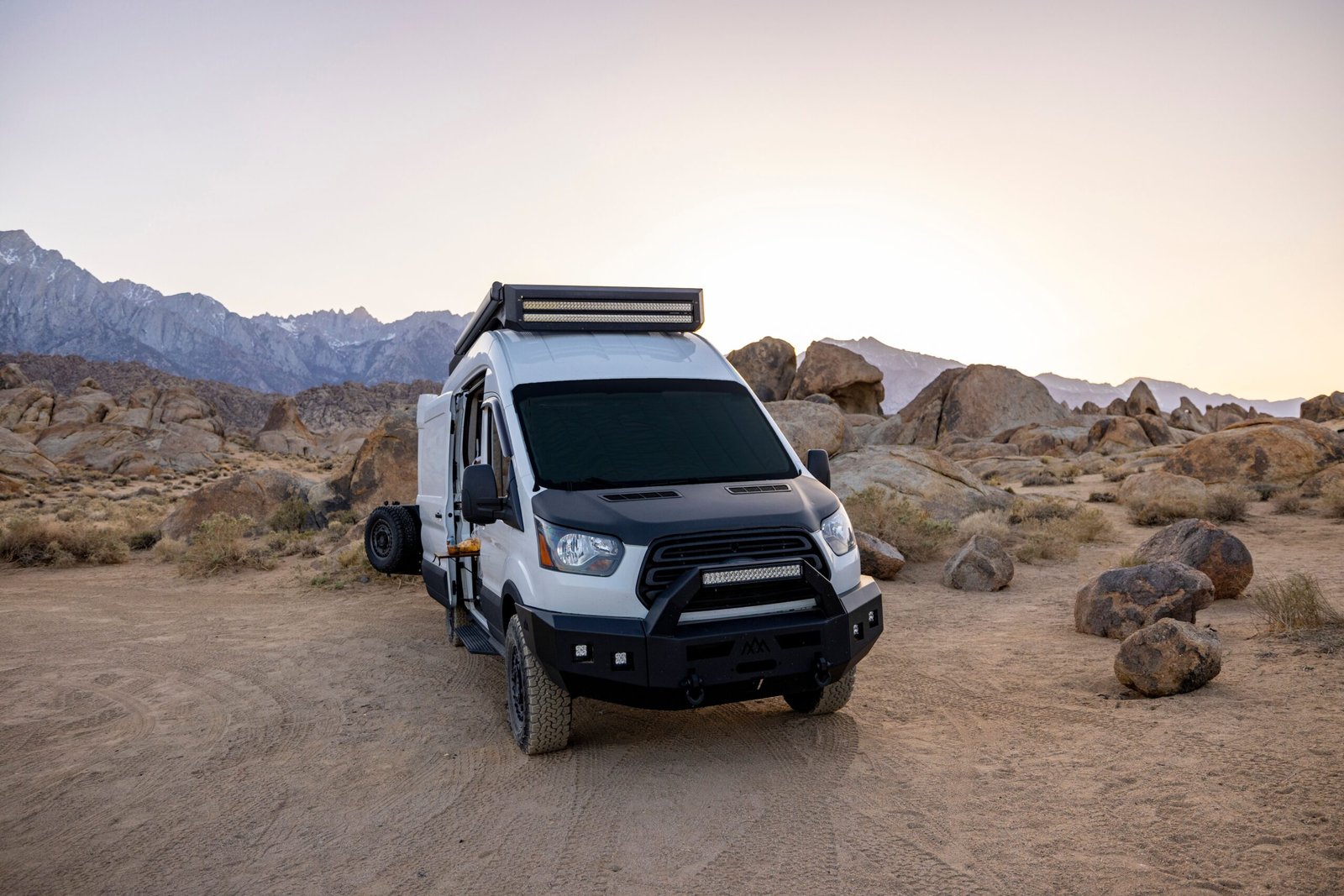
The best campervan and motorhome brands in 2026: a complete buying guide
When searching for a campervan or motorhome, a seemingly simple question eventually appears:
Which campervan or motorhome brand is best?
Some brands have more prestige than others. But if you are buying a travel vehicle, that quick answer tells you very little.
No single brand is best for everyone.
A couple seeking a compact weekend campervan has different needs from a family requiring several beds, a bathroom and space. Months exploring Europe also demand something different from occasional holidays.
This Spaziou guide goes beyond listing manufacturers.
We will explore the leading campervan and motorhome brands worth considering in 2026: what defines each, its market segment, the travellers it may suit and what to assess before deciding.
A manufacturer can build excellent vehicles and still offer a particular model that does not suit you.
Ultimately, the right choice is more than:
BRAND + PRICE
but:
BRAND + MODEL + LAYOUT + USE + BUDGET
What are the best campervan and motorhome brands?
Well-known manufacturers and brands in Europe include:
- Adria
- Hymer
- Knaus
- Weinsberg
- Dethleffs
- Bürstner
- Benimar
- Laika
- Carado
- Challenger
- Chausson
- Roller Team
- McLouis
- Pilote
- Volkswagen
- Mercedes-Benz
Each has a different approach.
Some brands are closely associated with premium vehicles. Others balance equipment and price. Some have a strong presence in campervans and vans, while others are best known for motorhomes.
We will therefore assess them separately.
Adria: one of Europe's most comprehensive brand ranges
Adria is worth knowing even before you decide which vehicle type to buy.
The Slovenian brand has a broad range covering campervans, motorhomes and caravans.
Its catalogue contains several vehicle families and many layouts, from compact options to more comprehensive models.
Variety is one of its strengths.
Adria ranges from relatively compact vehicles to much more comprehensive options.
What stands out about Adria?
A key strength is the balance of design, layout and practicality.
Its vehicles focus on using space well, important when every centimetre counts.
The brand continues developing its ranges with new options across its motorhome and campervan families.
Who is Adria for?
- Couples.
- Families.
- Frequent travellers.
- People seeking an established brand.
- Users wanting many layout choices.
Strengths
- Broad range.
- Efficient use of space.
- Modern design.
- Wide choice of layouts.
- Established presence in Europe.
Things to consider
Adria's broad range means comparing the brand alone is not enough.
Assess the exact model and layout.
Hymer: the premium segment
One name regularly appears in discussions of premium motorhomes and campervans: Hymer.
The German manufacturer has decades of caravaning experience and now offers both motorhomes and campervans.
Hymer particularly targets buyers seeking high standards of finish, comfort and equipment.
Price is no longer the only consideration here.
Hymer buyers are typically willing to pay more for particular standards of construction, insulation, interior design, technology and equipment.
Who is Hymer for?
- Frequent travellers.
- People taking long trips.
- Users seeking greater comfort.
- Couples seeking a premium campervan.
- Buyers with a high budget.
Strengths
- Perceived quality.
- Finish quality.
- Comfort.
- Wide choice of vehicles.
- Premium positioning.
Things to consider
The main drawback is clear: price.
A Hymer may cost considerably more than other options.
Buying a Hymer just for the badge makes little sense.
You need a genuine use for the features you pay for.
Knaus: technology, design and variety
Knaus is another important name in European caravaning.
The brand offers a broad range of recreational vehicles, particularly relevant to those seeking design, practicality and technology.
Its wider group also includes Weinsberg, a Knaus Tabbert brand with a different positioning.
Knaus offers both campervans and motorhomes.
Who is Knaus for?
- Couples.
- Families.
- Frequent travellers.
- Users valuing design and technology.
- People wanting different layout options.
Strengths
- Broad range.
- Design.
- Technology.
- Range of layouts.
- Manufacturer experience.
Things to consider
Pay particular attention to the specific equipment.
Two vehicles from one brand can offer very different experiences depending on layout and extras.
Weinsberg: a practical alternative
Weinsberg is worth considering for a practical entry into caravaning.
Its positioning offers vehicles with a more functional approach.
The focus is practical travel solutions rather than luxury alone.
Who is it suitable for?
- First-time buyers.
- Couples.
- Families.
- Users seeking practicality.
- People prioritising equipment over luxury.
Strengths
- Practical approach.
- Variety.
- Good use of space.
- Different configurations.
Things to consider
For distinctly premium finishes, other brands focus more on that segment.
Dethleffs: experience and comfort
Dethleffs is another German manufacturer with a long caravaning history.
The brand is particularly associated with comfort and living space.
Especially relevant to people who value time spent inside.
This matters.
A motorhome is more than a vehicle.
On long trips, you spend many hours inside.
Comfort in the dining area, bed, kitchen, bathroom and storage becomes extremely important.
Who is it suitable for?
- Couples.
- Families.
- Long-term travellers.
- People who value living space.
Strengths
- Living space.
- Comfort.
- Range of configurations.
- Manufacturer experience.
Things to consider
Study the layout carefully: the experience varies greatly between models.
Bürstner: design and comfort
Bürstner is a brand often noticed for its interiors.
Its approach emphasises pleasant, comfortable interiors.
Particularly relevant if you see the campervan or motorhome as an extension of home.
Who is it suitable for?
- Couples.
- Small families.
- Travellers prioritising the interior.
- Users valuing design.
Strengths
- Interior design.
- Comfort.
- A home-like feel.
- Well-planned layouts.
Things to consider
If the lowest possible price is your absolute priority, cheaper alternatives probably exist.
Benimar: a Spanish brand worth considering
In the Spanish market, Benimar deserves a special mention.
The established Spanish brand offers a wide range of motorhomes and campervans.
Its market positioning also makes it particularly relevant to buyers seeking a balance between equipment and price.
Particularly relevant if buying in Spain and seeking a nearby dealer and support network.
Who is it suitable for?
- First-time buyers.
- Families.
- Couples.
- Travellers seeking a Spanish brand.
- Users seeking balanced price and equipment.
Strengths
- Presence in Spain.
- Wide choice.
- Equipment-to-price ratio.
- Knowledge of the Spanish market.
Things to consider
Do not choose a brand solely because it is Spanish.
Compare model by model and, especially, layout by layout.
Laika: Italian character in the premium segment
Laika is an Italian brand associated with premium motorhomes.
Its approach emphasises design and a carefully considered interior experience.
For some buyers, a motorhome is more than a travel vehicle.
It is also somewhere to spend time, cook, rest and live.
Brands such as Laika try to stand out in this area.
Who is it suitable for?
- Couples.
- Experienced travellers.
- Users seeking comfort.
- People with a high budget.
Strengths
- Italian design.
- Carefully designed interiors.
- Comfort.
- Premium positioning.
Things to consider
Its price may exceed the budget for a first, inexpensive motorhome.
Carado: simplicity and practicality
Carado is interesting for a functional, relatively simple offering.
The approach favours practical travel vehicles over the most luxurious configurations.
Worth considering for a sensible configuration without necessarily paying premium-segment prices.
Who is it suitable for?
- First-time buyers.
- Couples.
- Travellers prioritising practicality.
- Users who do not need luxury.
Strengths
- Practical approach.
- Variety.
- Practical offering.
Things to consider
Premium finishes or sophisticated equipment may require a higher range.
Challenger and Chausson: two important names in the Trigano group
Challenger and Chausson are two well-known European brands within the Trigano group.
Its offering focuses on practical vehicles with many configurations.
These brands are worth considering for a particular layout without necessarily paying premium-manufacturer prices.
Who is it suitable for?
- Couples.
- Families.
- First-time buyers.
- Users seeking variety.
Strengths
- Range of layouts.
- European presence.
- Different configurations.
- Options for different users.
Things to consider
Equipment varies considerably by range and model.
Roller Team: space and practicality
Roller Team is another brand worth considering for a motorhome.
Its offering focuses on practicality and space efficiency.
Particularly relevant to families needing living space without necessarily moving into the premium segment.
Who is it suitable for?
- Families.
- Couples.
- Frequent travellers.
- Users seeking space.
Strengths
- Living space.
- Layouts.
- Space.
- Equipment-to-cost ratio.
Things to consider
Always assess the exact model's insulation, equipment and layout.
McLouis: an option to consider
McLouis is another Italian brand in the European market.
Its positioning combines design, practicality and price.
It has a strong presence in Spain and is worth considering when comparing new motorhomes.
Who is it suitable for?
- Couples.
- Families.
- First-time buyers.
- Travellers seeking balance.
Strengths
- Widespread presence.
- Varied layouts.
- Design.
- Competitive positioning.
Things to consider
The exact model matters more than the brand's general reputation.
Volkswagen: a reference for compact campervans
Any discussion of campervans must mention Volkswagen.
The brand is closely associated with campervans; models such as the California have made compact campervans a category of their own.
Its main appeal combines:
- Relatively compact size.
- Everyday use.
- Sleeping arrangements.
- Versatility.
- Brand image.
- Good used-market demand.
This format suits a campervan that doubles as an everyday vehicle.
Who is it suitable for?
- Couples.
- Travellers seeking a compact campervan.
- People who also use the vehicle as a car.
- Users valuing versatility.
Strengths
- Size.
- Versatility.
- Recognition.
- Demand.
- A well-established campervan concept.
Things to consider
Some versions can be expensive relative to the available space.
Decide what matters most to you:
Mobility and versatility
or
Space and independence.
Which brand is best for a small campervan?
For a compact campervan that doubles as daily transport, focus on brands and models based on smaller vans.
Volkswagen is a leading reference, but not the only option.
Mercedes-Benz, Ford and others also provide platforms for campervan conversions.
Your choice should mainly depend on:
- Size.
- Number of berths/seats.
- Height.
- Equipment.
- Engine.
- Consumption.
- Price.
- Support network.
- Resale value.
Which brand is best for a family?
The answer changes here.
A family needs space, beds and storage.
Brands with good overcab or low-profile layouts may therefore suit you better than a specialist in compact campervans.
In this case, brands such as Dethleffs, Benimar, Roller Team, McLouis, Adria or Challenger may suit different budgets and layouts.
It is not only about how many people can sleep.
Also check:
- Where clothes are stored.
- Fridge capacity.
- Kitchen size.
- Bathroom.
- Outdoor space.
- Water capacity.
- Storage.
- Bed access.
Which brands suit long trips?
Travelling for weeks or months raises your requirements.
The bed must be comfortable.
The kitchen must work well.
The bathroom must be practical.
Insulation matters greatly.
Electrical independence becomes essential.
For this type of traveller, consider manufacturers such as Hymer, Adria, Dethleffs, Laika, Knaus or Bürstner, always depending on the exact model.
Do not buy a badge for its reputation. Buy a layout that works for your life.
Which brands offer the best value for money?
Be wary of lists promising a definitive answer.
Campervan or motorhome prices vary greatly according to:
- Engine.
- Length.
- Layout.
- Equipment.
- Batteries.
- Solar panels.
- Heating.
- Automatic transmission.
- Safety systems.
- Extras.
There is no universal winner on value for money.
Brands such as Benimar, Weinsberg, Carado, Roller Team, McLouis or selected Adria ranges may be relevant depending on model and budget.
The key is comparing equivalent vehicles.
What should I check before buying a particular brand?
The brand is only the beginning.
Before buying, check at least these points.
1. Layout
Two vehicles of the same length can feel completely different.
Check the bed position, how the dining area works and the space remaining when all beds are set up.
2. Bed
Do not underestimate this.
You travel to enjoy yourself and rest.
An uncomfortable bed can spoil a good campervan experience.
3. Storage
Open every cupboard.
Look inside the storage spaces.
Think about what you will actually carry.
Not just in a showroom, but on a two-week trip.
4. Insulation
For winter or summer use, insulation can make an enormous difference.
Look beyond the manufacturer's stated material. Ask how the complete structure is built.
5. Electrical installation
This area is increasingly important.
Check:
- Battery capacity.
- Battery type.
- Charger.
- Inverter.
- Solar panels.
- Payload.
- USB sockets.
- 230 V sockets.
A good electrical installation can transform off-grid capability.
6. Water
Review:
- Fresh-water tank.
- Grey-water tank.
- Accessibility.
- Shower.
- Water heater.
- Consumption.
7. Heating
Especially important for winter travel.
August use differs from several days in the Pyrenees in January.
8. After-sales service
This point is forgotten too often.
Before buying, find out:
- Where the dealer is located.
- Which workshops service the brand.
- How warranties work.
- Spare-parts availability.
- Typical repair times.
9. Resale value
It should not be the main factor.
But do not ignore it either.
A brand with strong demand may be easier to sell when you change vehicles.
10. Weight and payload
One of the most important and most overlooked points.
The empty vehicle weight is not enough.
Consider the weight when carrying:
- People.
- Water.
- Clothes.
- Food.
- Bicycles.
- Equipment.
- Batteries.
- Tools.
A large-looking campervan can have far less payload than expected.
Brands to consider for different travellers
Best for a compact campervan
Volkswagen may be an early choice, particularly for the California concept and vehicle versatility.
Best for premium buyers
Hymer and Laika are two brands worth assessing.
Best for balance
Adria is particularly interesting for its broad catalogue and range of configurations.
Best for families
Here it is worth comparing brands such as Dethleffs, Benimar, Roller Team, McLouis, Adria and Challenger.
Best for a Spanish brand
Benimar is an essential name.
Best for practicality
Weinsberg and Carado may offer interesting alternatives depending on the model.
Best for design and comfort
Bürstner, Laika and Adria deserve particular attention.
Are German, Italian, Spanish or Slovenian brands better?
Not necessarily.
Country of origin can indicate a manufacturer's approach, but should not decide the purchase on its own.
Germany has a long tradition of recreational vehicles.
Italy is particularly known for design.
Spain has manufacturers with extensive experience in its domestic market.
Slovenia is home to Adria, one of Europe's best-known manufacturers.
A good campervan does not become bad merely because it was built in another country.
Focus on:
- Construction.
- Layout.
- Insulation.
- Equipment.
- After-sales service.
- Price.
- Reliability.
- User experience.
Is a premium campervan worthwhile?
It depends.
Premium brands may offer better finish, more technology, improved materials or higher insulation and comfort standards.
That does not automatically make it the smarter purchase.
If you take ten short trips a year and mainly use the van for sleeping, paying tens of thousands extra for rarely used features may not make sense.
For extended stays, thousands of kilometres and year-round use, comfort and build quality can matter much more.
New or used?
Another important choice.
Buying new lets you choose your preferred configuration and have a warranty from day one.
A used campervan can offer an attractive equipment-to-price ratio.
Especially if it is well maintained and has a layout that truly suits you.
Before buying a used campervan, pay particular attention to:
- Damp.
- Roof condition.
- Seals.
- Electrical installation.
- Batteries.
- Fridge.
- Heating.
- Water.
- Tyres.
- Engine.
- Mileage.
- Maintenance history.
Conclusion: which campervan or motorhome brand is best?
After considering these brands, we can return to the opening question.
Which is best?
The answer remains:
It depends.
Hymer may be an excellent choice for a premium option.
Adria may suit you if you want a wide range and a balance of design, practicality and equipment.
Benimar is worth considering if you want a Spanish brand with a strong presence in Spain.
Volkswagen is particularly strong in compact, versatile campervans.
Dethleffs, Knaus, Bürstner, Weinsberg, Carado, Laika, Challenger, Chausson, Roller Team and McLouis also offer alternatives worth assessing for your preferred vehicle type.
Keep one idea in mind:
DO NOT BUY A BRAND.
BUY THE VEHICLE THAT BEST SUITS THE WAY YOU TRAVEL.
Layout, size, independence, storage, comfort and after-sales service can matter far more than the badge on the front.
If you are unsure which vehicle you need, first decide which format genuinely suits you.
Spaziou has already prepared a guide to help:
Campervan and motorhome types: choose for the way you travel
Choose how you want to travel before choosing a brand.
Campervan and motorhome brand FAQs
Which campervan brand is best?
There is no universal best brand. Volkswagen is especially strong in compact campervans, while Adria, Hymer, Knaus and others offer options for different travellers, budgets and layouts.
Which motorhome brand is best?
It depends on budget and use. Hymer and Laika stand out in the premium segment; Adria, Benimar, Dethleffs, Knaus, McLouis, Roller Team and others offer alternatives across different segments.
Which campervan brand is best for a couple?
A compact campervan can suit couples prioritising mobility; a large van conversion may better suit long trips needing space and independence.
Which motorhome brand is best for a family?
Prioritise enough beds, storage and living space. Benimar, Dethleffs, Adria, McLouis, Roller Team and Challenger offer different family layouts.
Is buying a premium-brand campervan worthwhile?
It may be worthwhile for frequent use if comfort, finish, insulation and equipment matter to you. For occasional use, a cheaper alternative may make more sense.
Which matters more: brand or layout?
Layout often matters more. Even an excellent brand's campervan may feel uncomfortable if the bed, kitchen, bathroom or storage does not suit the way you travel.