
Campervan technical safety: CO, smoke, gas and extinguishers
 Spaziou
 Technical · Technical safety
CO, smoke, gas and extinguishers: layers of campervan safety
A detector does not make a faulty installation safe. Combine prevention, ventilation, professional installation where needed, detection and an effective response.
Carbon monoxide
CO is colourless and odourless and results from incomplete combustion. A dedicated detector adds a warning layer, but the heater or appliance exhaust must be correctly designed from the outset.
Smoke
A smoke detector covers a different risk. In small spaces, avoid constant false alarms without moving it so far away that it becomes ineffective. Follow the manufacturer's instructions.
Gas detector
Gas type determines where leak detection makes sense. Do not position sensors by intuition: propane/butane and other gases behave differently relative to air, and each detector specifies its mounting position.
Fire extinguisher
It must be accessible from an escape route, not buried under luggage or next to the likely fire source. Check pressure gauge, seal, date and maintenance requirements for the device.
Risk-related equipment · Amazon
Two products to complement the technical safety layer.
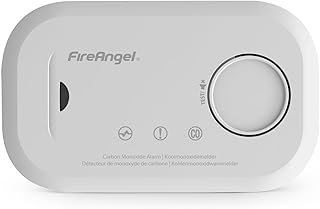
FireAngel FA6813 · CO
A dedicated carbon monoxide detector. Install only in the locations and conditions allowed by its manufacturer; it does not replace ventilation or combustion-appliance maintenance.
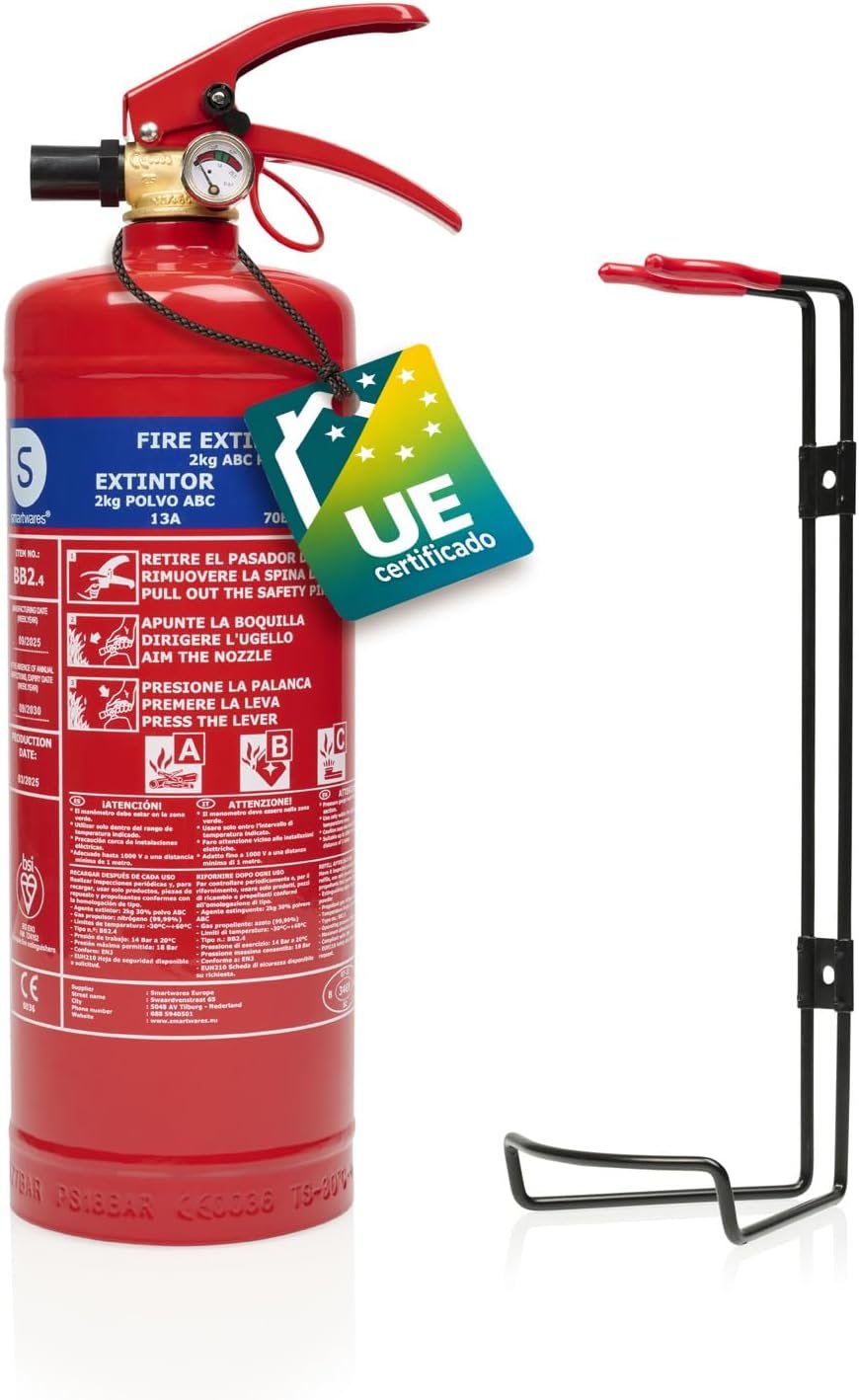
Smartwares · ABC extinguisher 2 kg
A 2 kg model with bracket. Buying is only the start: secure it while driving, keep it accessible from an exit and maintain it according to its instructions.
Monthly routine
- Test detectors as instructed by the manufacturer.
- Check permanent ventilation openings.
- Check that the heater exhaust is unobstructed.
- Inspect accessible hoses, connections and wiring.
- Check access to the extinguisher.
- Do not block exits with overnight luggage.