
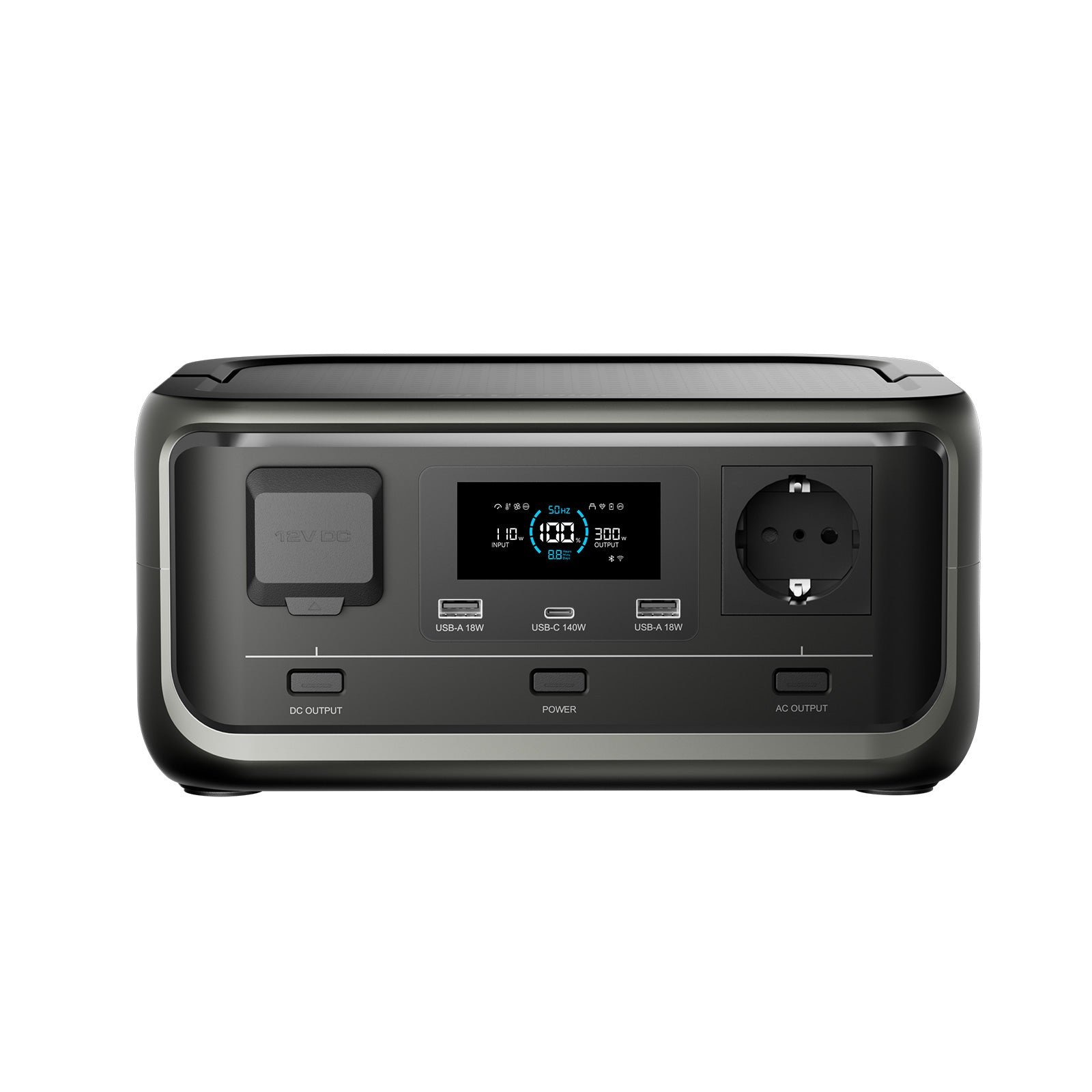
ALLPOWERS VOLIX P300
256 Wh · 300 WCompact format for small loads and electronics. Check that it has the outputs you need.
View VOLIX P300 in the official store ↗
Spaziou tools · Energy
Enter battery capacity and daily consumption to estimate days without recharging. The calculation deducts the unusable fraction and system losses.
A 200 Ah battery at 12.8 V stores 2,560 Wh nominally. Do not design on the assumption that every Wh is always available: depth of discharge, inverter, wiring, temperature and BMS can reduce usable energy.
If you do not yet know your daily use, start with the energy consumption calculator. Then check the required solar power.
Enter usable capacity and losses because available energy is not a universal constant. Temperature, battery chemistry, BMS and discharge current affect the actual result.
Victron · official example of nominal capacity, Wh and temperature effect ↗Method · Example · Decisions
Time without recharging depends on usable energy and demand, not just the Ah printed on the battery.
Nominal energy = Ah × V. Usable energy = nominal energy × usable fraction × efficiency × (1 − reserve). Runtime = usable Wh ÷ daily Wh.
At 200 Ah and 12.8 V, with 80% usable capacity, 90% efficiency and a further 10% reserve, estimated usable energy is 1,659 Wh. At 600 Wh/day, that gives 2.8 theoretical days without recharging.
The usable fraction limits how much capacity you choose to draw. Efficiency accounts for losses and the additional reserve sets aside a further fraction. Do not unintentionally apply the same reserve in several fields. Choose values that match your equipment and use.
The result assumes constant daily use and no recharging. Solar, alternator and external charging are not automatically included, nor are battery ageing or temperature measured. If winter consumption is higher, enter that scenario and compare.
A larger battery adds reserve; a charging source replenishes energy. If the deficit repeats each day, adding capacity only delays depletion. Check daily balance with solar and charging while driving before choosing components.
Manufacturer's data on nominal capacity and operating conditions →
 Portable Power · ALLPOWERS
Advertised capacity is nominal. Inverter losses, standby draw and starting surges affect actual runtime. These models are not automatic recommendations from your calculation.
Compact format for small loads and electronics. Check that it has the outputs you need.
View VOLIX P300 in the official store ↗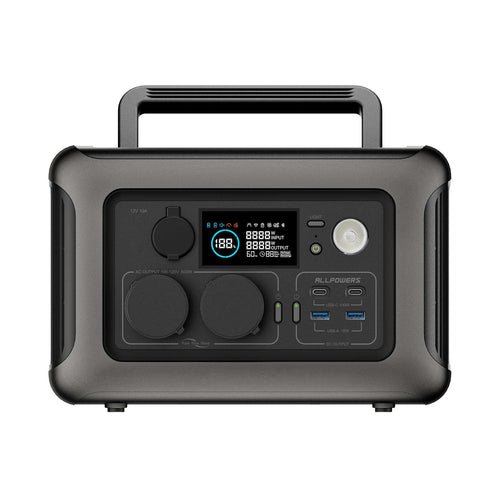
For short trips and small appliances: check usable runtime and starting surge.
View R600 in the official store ↗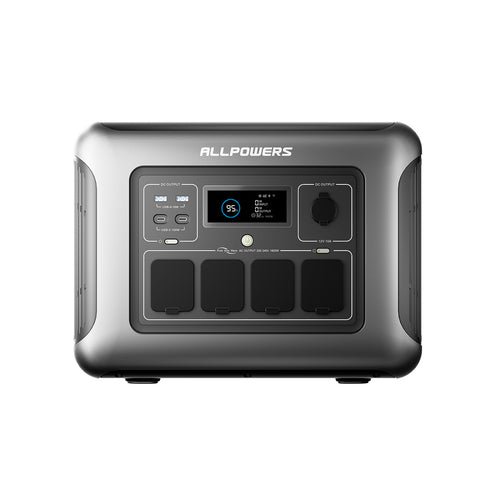
More capacity for longer stays and daily loads. Calculate your Wh needs first.
View R1500 Lite in the official store ↗